Tips on Preparing for Job Interview

Job interviews come in different styles and formats, ranging from brief conversations to multiple formal discussion/questioning with different interviewers. Being adequately prepared for these interviews is pivotal, empowering you to engage confidently and showcase your enthusiasm and expertise. Here is a detailed guide on how to prepare effectively for a job interview, enabling you to navigate these conversations with confidence and poise;

Researching the Company and Job Description

Before your interview, invest time in comprehensive research about the organization to boost your confidence:

  • Conduct a thorough internet search about the company.
  • Relate the job role and your work experience to the specific duties outlined in the job description.
  • Investigate recent social media appearances of potential employers.
  • Explore recent industry developments affecting the sector and the potential impact on the position you’re interviewing for.
  • Review the job description, company’s social media accounts, and website details.
  • If possible, research the hiring manager and interview attendees via LinkedIn.

Researching individuals and the organization helps in understanding:

  • The role of the interviewer and their expectations.
  • The company culture and alignment with personal values.
  • Insight into projects, clients, and common connections.
  • The viewpoints of interviewers through blogs or articles.

Preparing in Advance

  • Gather previous work achievements showcasing your suitability for the role.
  • Practice mock interviews with friends or colleagues.
  • Videotape practice sessions to assess body language and verbal presentation.
  • Prepare attire, resume, and directions to the interview location in advance.

Understanding Interview Questions

Differentiate between types of interview questions and prepare accordingly:

  • Behavioural and competency-based questions explore past behaviours and skills relevant to the role.
  • Practice answering questions that start with “Tell me about a time when…” or “Give me an example of a scenario when…”
  • Sample situational interview questions assess your approach to hypothetical scenarios.
  • Prepare examples showcasing teamwork, problem-solving, analytical skills, etc., from past experiences.

Knowing Salary Expectations

Research salary ranges for similar roles, consider benefits, and align your salary expectations with market standards.

During the Interview

  • Make a positive first impression by reviewing key documents and being polite to everyone.
  • Arrive early for face-to-face meetings; be ready ahead of time for virtual interviews.
  • Maintain eye contact.
  • Be mindful of body language, maintain good posture
  • Remain attentive.

Answering Interview Questions

  • Answer questions honestly, directly, and concisely.
  • Practice discussing broader subject areas rather than rehearsing precise answers.
  • Prepare for common questions related to background, qualifications, experience, career objectives, and crisis management.

Asking Questions

At the end of the interview, confidently ask thoughtful questions about the role, company, or interviewer’s experience.

Conclusion of the Interview

  • Smile, express gratitude, and anticipate further communication.
  • Request clarification on the next steps or timeframe for decisions.

Final Thoughts

Preparing for a job interview involves understanding the process, researching comprehensively, rehearsing answers, and presenting oneself professionally. Investing effort in interview preparation significantly enhances your chances of success. Embrace these steps to excel in your next job interview and secure your desired role.



How to Write a Professional CV/ Resume

In the competitive market of job hunting, a well-drafted CV/resume stands as your first introduction to potential employers. It’s not merely a document listing your experiences; it’s your professional story, your skills showcased on paper and your passport to unlock new job opportunities. The need to learn how the way of composing a remarkable CV/resume that makes employees want you, cannot be ignored.

The Purpose of a CV / Resume

A CV/resume is your professional pitch, aiming to present your qualifications, experiences, and skills in a very careful and impactful manner. Its major goal is to persuade employers that you’re the perfect fit for the role you applied for.

Structuring Your CV/Resume:

  1. Contact Information: Initiate your CV/resume with essential contact details—your name, professional title, phone number, email address, and LinkedIn profile.
  2. Professional Summary/Objective Statement: Draft a brief yet compelling summary highlighting your career goals, key skills, and what you are bringing to the table.
  3. Work Experience: Present your work history in a well-structured manner, focusing on achievements, responsibilities, and quantifiable results relevant to the target job.
  4. Education: List your educational background, certifications, courses, and any relevant academic achievements.
  5. Skills: Note down both technical and soft skills relevant to the job, aligning them with the job description.
  6. Additional Information: Include sections like Projects, Publications, Volunteer Work, Languages, etc., if they add value to your application.

Adapting Your CV/Resume for Each Job Application

An important aspect often overlooked is adapting your CV/resume to each job application. Align it with the job description by emphasising skills and experiences most relevant to the role.

Tips for Drafting a Professional CV/Resume

  • Clarity and Brevity: Use clear language and brief sentences. Avoid jargon and over-complex phrases.
  • Quantify Achievements: Use numbers and metrics to highlight your accomplishments and contributions.
  • Formatting and Layout: Ensure a clean, organised format with consistent fonts and bullet points for readability.
  • Proofreading: Eliminate typos, and grammatical errors, and ensure a coherent flow of information.

Dos and Don’ts of CV/Resume Writing

Dos:

  • be honest
  • use action-oriented verbs customised for each application
  • focus on accomplishments.

Don’ts:

  • avoid irrelevant and un-useful information
  • avoid unprofessional language
  • do not exaggerate or falsify experiences

Utilising Keywords

Incorporate relevant keywords from the job description to improve your chances of passing through the Applicants Tracking System – ATS (The Software commonly used by recruiters)  and catching the recruiter’s eye.

Conclusion

In conclusion, writing a professional CV/resume needs thorough attention. It’s not a  document but a detailed representation of your career journey.


How to Identify a fake Job Advert in Nigeria

Fake jobs come in diverse ways and the people behind the evil act are very smart and intelligent. As a job seeker, you need to understand their techniques and how they operate so as not to be a victim.

Here are five ways you can spot fake jobs in Nigeria;

1. Zero online presence

Any company sending you recruitment updates or interview messages is expected to have an online presence. Once you get a job interview invite from any company, check about the company on the internet before taking action.

2. They demand for fee

If you are seeking for a job and the company that needs your service asks you to pay a certain fee to employ you, beware they are scammers. The moment they ask you to pay a registration or consultation fee, cut the communication immediately. Job offers should come willingly after convincing recruiters that you’re the best for the role through your credentials, skills and the entire recruitment process.

3. Getting Unapplied Job Roles

This is one of their styles. They keep disturbing you with messages on your email saying, based on your application, you are invited for an assessment at XMS company for the position of XYZ on Monday, March 2, 2023. When you get a message like this, don’t stress yourself on it.

4. Email address is unprofessional

Legitimate companies make use of their company domain email addresses to send job interviews and employment letters.  If you get an interview or employment message from a company that uses a general email address ending like  xyz@gmail.com then there is a high chance such interview invitation or employment letter is coming from job scammers. If they don’t have a functioning website, then how do you expect them to meet up with all that was stated?

5.   No / Irrelevant job title

Companies looking for an employee to fill a vacant position in their establishments must have a job title for the position. When this is not stated in the email or SMS you receive, you’ve got to be careful.

6.  No experience required

Genuine/ Real job posts require experience, but when you see a job that offers lots of juicy packages that ideally fit a senior role, and does not require any experience, then it is a sign that it is not genuine. make your findings well.

Conclusion:

As earlier stated, fake job comes in diverse ways, and it is the responsibility of job candidates to always be careful, and carry out every necessary due diligence stated above, before applying for any job or attending job interviews.


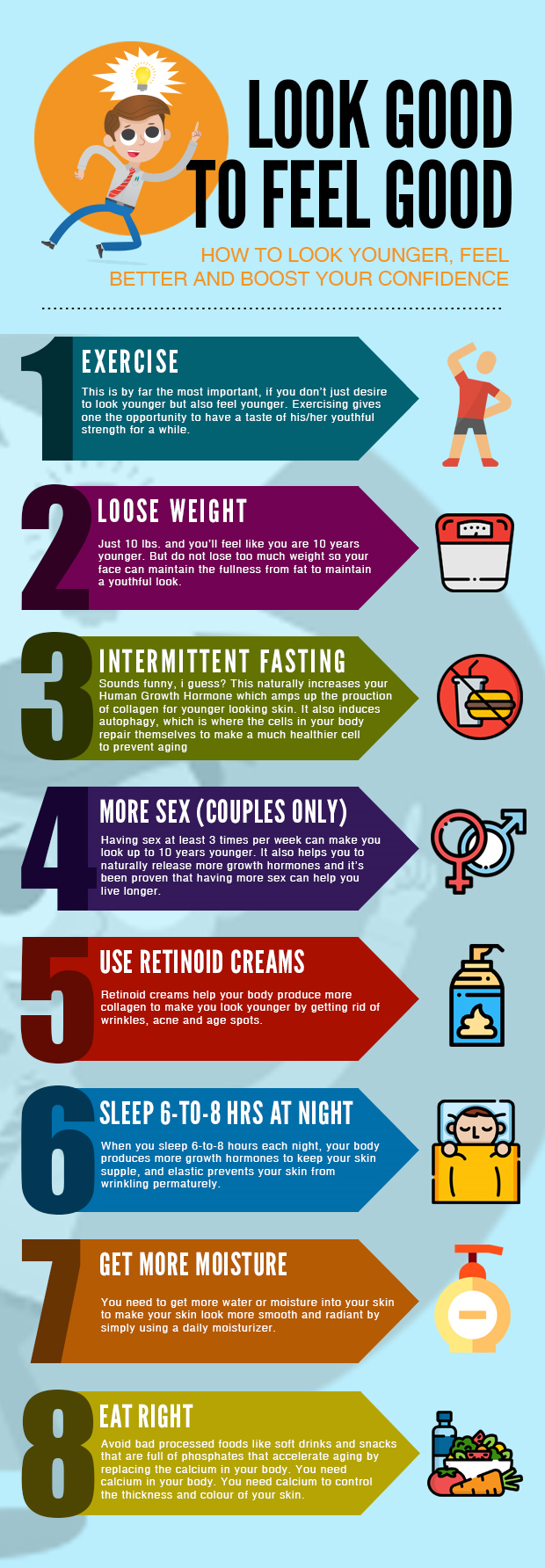
8 Powerful Ways to Look Good and Feel Great

Do you want to look good, or wanted to look smarter and sharper? here is a powerful infographic that explains things you need to do every day.

Check it out, read it, practice it and start feeling good.


Look good
Look good
Negotiation

Editor’s Pick

Smart Goal-setting techniques you should know

Know the Smart Ways to Become a Millionaire

Ultimate Ways to Sell Real Estate Products Online in 2022

Best Guide to Negotiation Skills for Business Owners


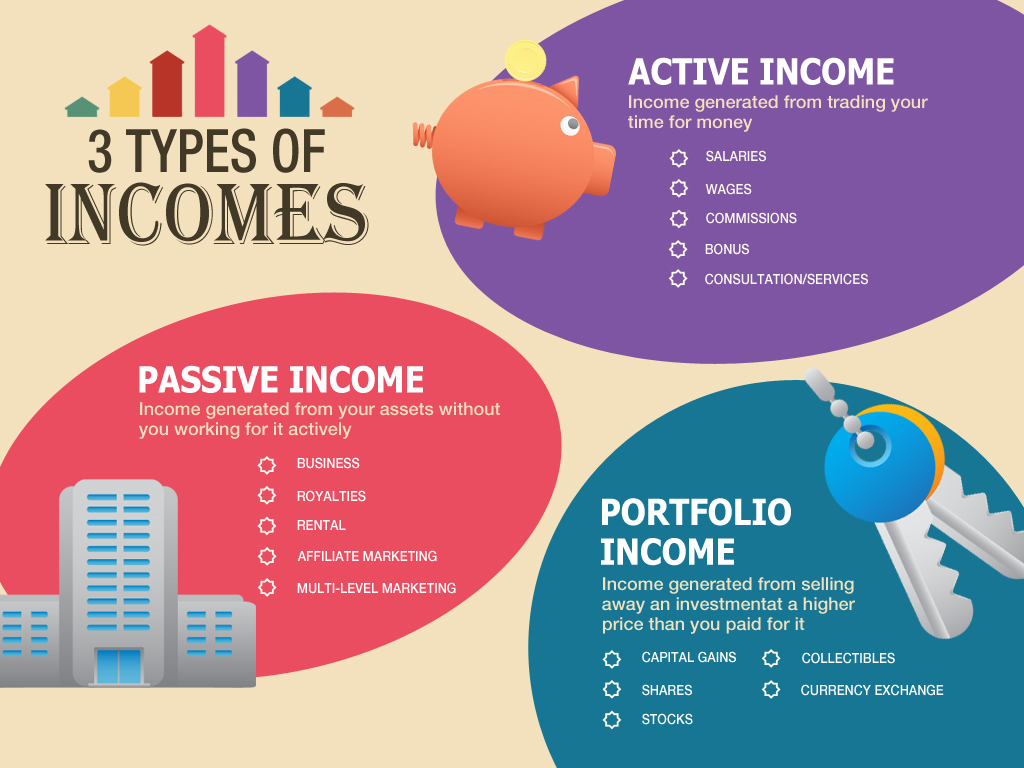
The 3 Core Types of Income

Know where you belong in the income column, here are the types of Income infographics that explain the 3 main levels of income. The infographics explain and summarize;

1.  Active Income

2.  Passive Income

3.  Portfolio Income.

Check the Infographics out, it will help you in your life journey!

The POM Business Model

Negotiation

Editor’s Pick

Powerful Facts you should know about Real Estate E-commerce Kit

The 7 Best Online Platforms to Rent and Sell Properties in Nigeria

Best Guide to Jiji Marketplace for Real Estate Marketing; doing it the right way

Ultimate Facebook Marketing for Real Estate: 10 Ways to do it Right


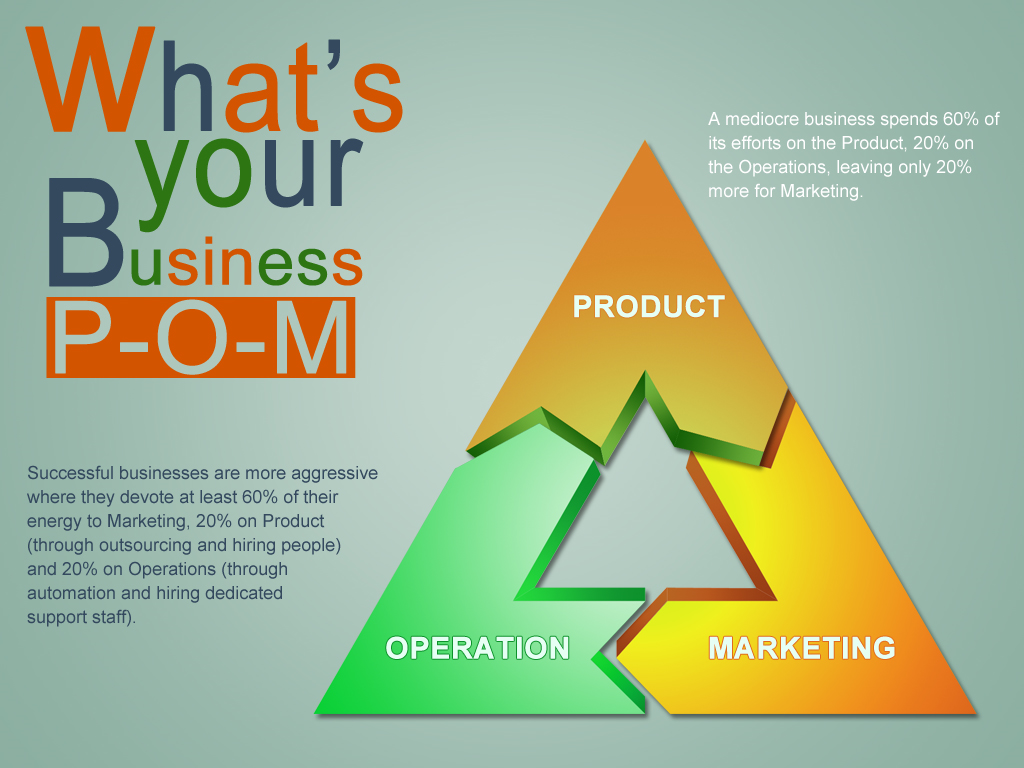
Smart P.O.M Model for Business Success

P.O.M Model is common to great businesses, successful businesses are more aggressive where they devote at least 60% of their energy to Marketing, 20% to Product and 20% to Operation. A mediocre business spends 60% of its efforts on a product, 20% on the operation and only leaving 20% on marketing.

This infographic explains the P.O.M Model, and you can use it to dominate your business operation.

P.O.M Model

P.O.M Model

Editor’s Pick

Smart Goal-setting techniques you should know

Know the Smart Ways to Become a Millionaire

Ultimate Ways to Sell Real Estate Products Online in 2022

Best Guide to Negotiation Skills for Business Owners


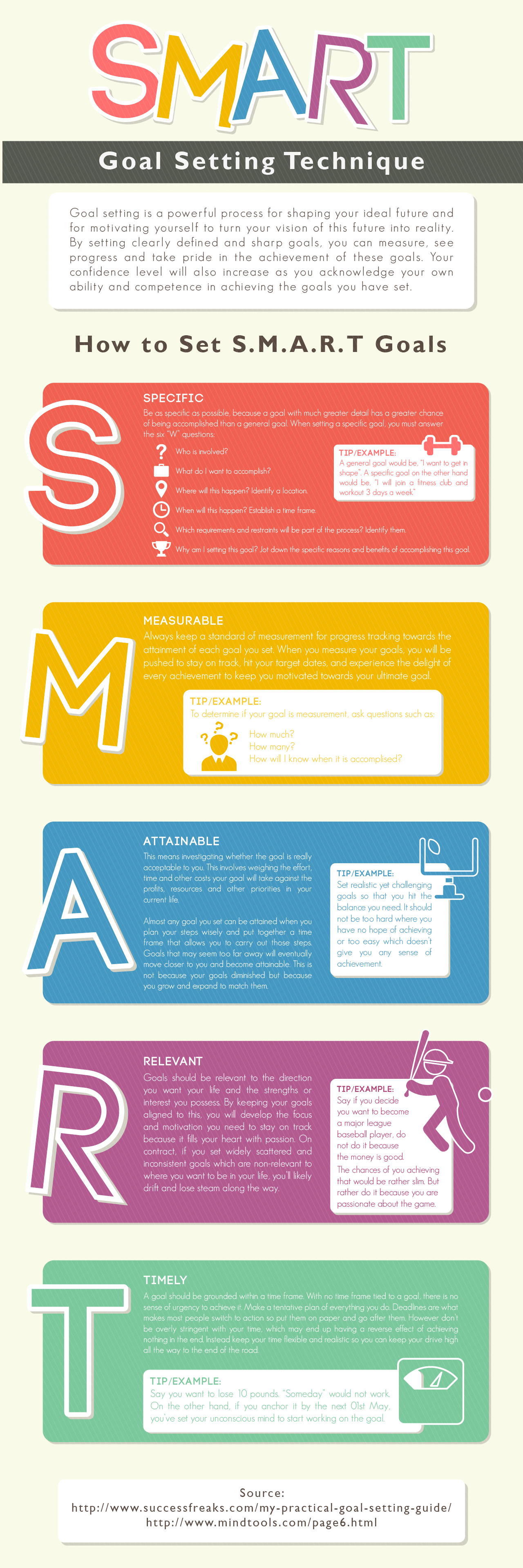
Smart Goal-setting technique you should know

Goal-setting technique is a powerful process for shaping your ideal future,  it helps motivate you to turn your vision for the future into a reality. By setting clearly defined and wonderful goals, you can measure, see progress and take pride in the achievement of your goals. A goal helps increase your confidence level and also helps acknowledge your creative ability and competence in achieving the goals you have set for yourself.

Goal-setting technique Infographic

Goal-setting technique